
The new Super Mario Galaxy movie releases this week, Wednesday, April 1, 2026! We cannot wait to see this movie! It’s almost here! Wahoo! Nintendo released the final trailer for the movie, let’s check it out.

The new Super Mario Galaxy movie releases this week, Wednesday, April 1, 2026! We cannot wait to see this movie! It’s almost here! Wahoo! Nintendo released the final trailer for the movie, let’s check it out.

People across the United States and around the World have witnessed a noticeable uptick in bright meteors, often described as fireballs or shooting stars, streaking across the sky. Around the globe reports have poured in from both amateur stargazers and official tracking organizations, sparking curiosity and excitement about what exactly is happening above us.

Nintendo released a new trailer for The Super Mario Galaxy Movie! We get to see a new character for the first time. Can you guess who it is?
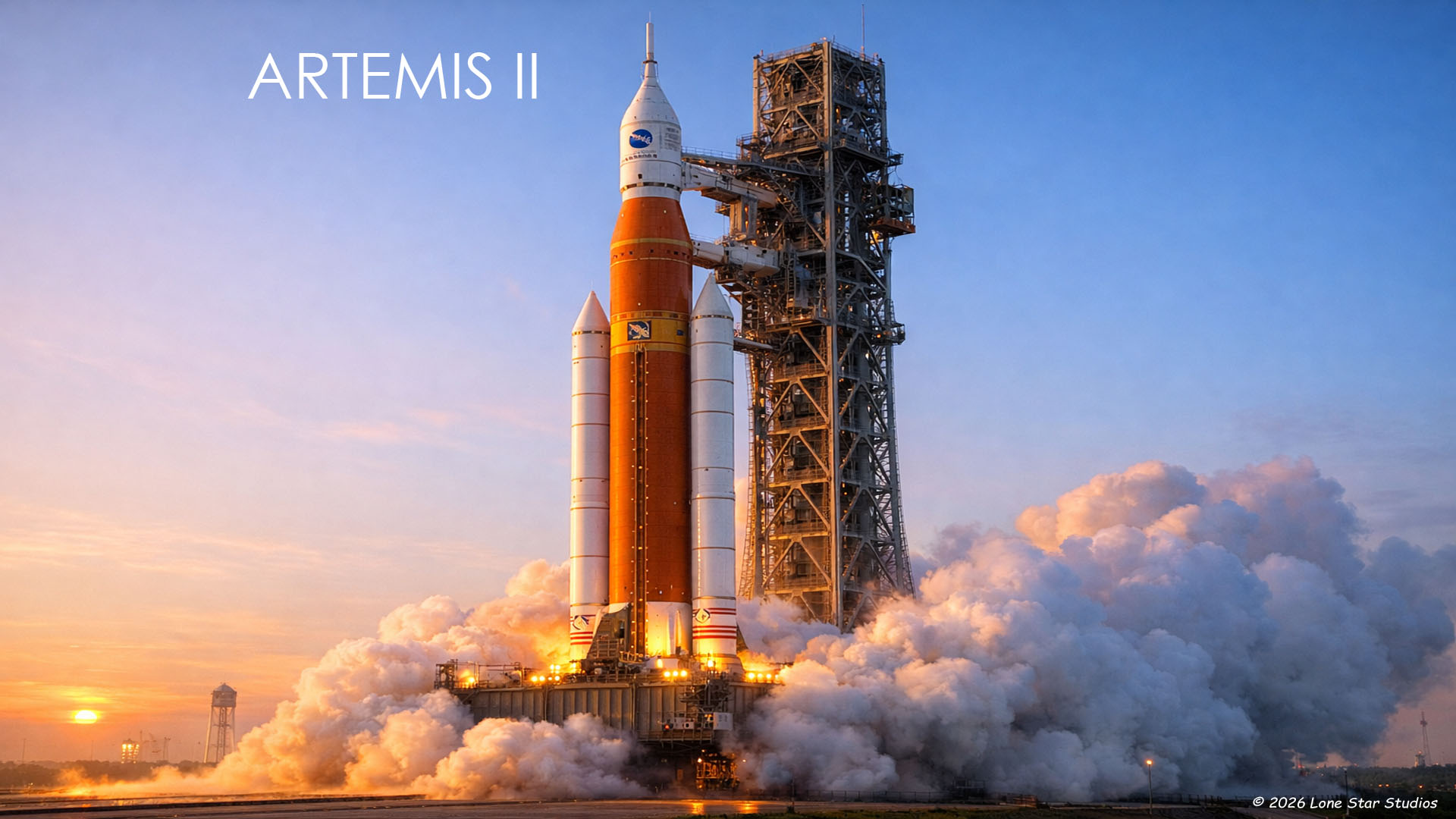
ARTEMIS II: NASA PREPARES TO SEND HUMANS BACK AROUND THE MOON
We are just a few days away from the next giant leap in human spaceflight! It is closer than ever as NASA prepares for the highly anticipated Artemis II mission, the first crewed journey of the Artemis program and humanity’s return to deep space since the era of the Apollo Program.
Set to launch aboard the powerful Space Launch System, Artemis II represents a critical step forward in NASA’s long-term goal of establishing a sustainable human presence on the Moon and eventually reaching Mars.
Historic Mission for a Human Crew
Unlike Artemis I, which successfully flew uncrewed in late 2022, Artemis II will carry astronauts on a journey around the Moon and back to Earth. The mission will test life-support systems, navigation, and crew operations in deep space for the first time in over 50 years.
The four-person crew includes Commander Reid Wiseman, Pilot Victor Glover, Mission Specialist Christina Koch, and Canadian Space Agency astronaut Jeremy Hansen. This lineup marks several milestones, including the first woman and first person of color to travel to lunar distance, as well as the first non-American astronaut assigned to a Moon mission.
The Spacecraft and Rocket Powering the Journey
Artemis II will launch from Kennedy Space Center in Florida using the Space Launch System, the most powerful rocket NASA has ever built. Sitting atop the rocket is the Orion spacecraft, designed to carry astronauts farther than any human-rated spacecraft since Apollo.
The Orion capsule will separate from the rocket after launch and perform a series of maneuvers that send it on a free-return trajectory around the Moon. This path ensures that even in the event of major system failures, the spacecraft will naturally loop around the Moon and return safely to Earth.
Mission Timeline and Objectives
Artemis II mission is expected to take about 10 days, during which the crew will travel thousands of miles beyond the Moon, reaching distances not achieved by humans since 1970. The mission will focus on testing critical systems, including life support, propulsion, communication, and manual spacecraft control.
Astronauts will also conduct operational demonstrations, including rendezvous maneuvers and onboard system checks, ensuring everything is ready for Artemis III, the mission planned to land humans on the lunar surface.
Why Artemis II Matters
This mission is more than just a test flight. It is a foundational step in NASA’s broader Artemis campaign, which aims to build a long-term human presence on the Moon. Future missions will involve constructing the Lunar Gateway, developing surface habitats, and enabling regular crewed missions to the lunar surface.
Artemis II also signals a new era of international cooperation in space exploration, with contributions from global partners and increasing commercial involvement.
Looking Ahead to Launch
The launch is scheduled for this Wednesday, April 1st, 2026 at 6:24pm. If the launch does not happen at that time for any reason, then the launch window will remain open until April 6th. Engineers and mission planners are working through rigorous safety checks to ensure the spacecraft, rocket, and crew are fully ready.
As anticipation builds, Artemis II stands as one of the most important space missions of the modern era, bridging the past achievements of Apollo with the future ambitions of humanity in deep space.
Artemis II will mark the first time humans travel beyond low Earth orbit in more than half a century, sending a four-person crew around the Moon aboard the Space Launch System and Orion spacecraft. The mission is designed to validate every system needed for future lunar landings and long-term exploration. With its historic crew and ambitious goals, Artemis II is poised to reignite human exploration beyond Earth and pave the way for the next chapter of spaceflight.
The new Super Mario Galaxy movie releases this week, Wednesday, April 1, 2026! We cannot wait to see this movie! It’s almost here! Wahoo! Nintendo released the final trailer for the movie, let’s check it out.
People across the United States and around the World have witnessed a noticeable uptick in bright meteors, often described as fireballs or shooting stars, streaking across the sky. Around the globe reports have poured in from both amateur stargazers and official tracking organizations, sparking curiosity and excitement about what exactly is happening above us.
Nintendo released a new trailer for The Super Mario Galaxy Movie! We get to see a new character for the first time. Can you guess who it is?
The new Super Mario Galaxy movie releases this week, Wednesday, April 1, 2026! We cannot wait to see this movie! It’s almost here! Wahoo! Nintendo released the final trailer for the movie, let’s check it out.
People across the United States and around the World have witnessed a noticeable uptick in bright meteors, often described as fireballs or shooting stars, streaking across the sky. Around the globe reports have poured in from both amateur stargazers and official tracking organizations, sparking curiosity and excitement about what exactly is happening above us.
Nintendo released a new trailer for The Super Mario Galaxy Movie! We get to see a new character for the first time. Can you guess who it is?

The college football season reaches its dramatic conclusion tonight as the Indiana Hoosiers and the Miami Hurricanes meet on the sport’s biggest stage.

What a way for Whataburger to start the year off right! The Monterey Melt’s return to Whataburger ensured that we would have a Happy New Year no matter what. What a great and wonderful surprise to start the year with! If you’re looking for a rich, somewhat indulgent experience, shove a Monterey Melt in your face, satisfaction guaranteed! The Monterey Melt stacks two all-beef patties, Monterey Jack and American cheese, grilled onions and peppers, and tops it all off with Whataburger’s Jalapeno Ranch sauce. This is the burger that will ruin all other burgers for you!
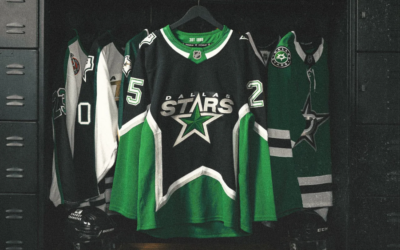
The Dallas Stars are breaking NHL sales records with their new ’99 jersey! Read more to find out what the fuss is all about, and to see the care and attention to detail that went into making the NHL’s hottest selling jersey of all time!
Nintendo released two new trailers for The Super Mario Galaxy Movie, the second movie in the series set to hit theaters April 2026! We cannot contain our excitement for the next Mario movie! The first movie was really fun and a massive hit. As soon as it finished we started discussing what the next movie might have in it.

Here’s a preview of the Dallas Cowboys’ second regular season game of the season against the New York Giants. After losing to Philly on opening night, Dallas needs to win this game in their home opener.

The Rangers have gotten a tremendous jolt of energy and passion from young players joining the team. They’re playing so well they’ve even been given a nickname. Read more to find out what it is.

The Dallas Cowboys’ first regular season game against the Philadelphia Eagles was really memorable and entertaining! Here’s a recap.

The Rangers keep winning, and believe it or not, they are right in contention for a playoff spot as they head into a massive three-game series against the Houston Astros this weekend! We can’t wait to see what happens!

The Dallas Cowboys played their final preseason game, and it went much better than the prior two! Here’s a brief recap of that game and a short preview of the first game of the season against the Philadelphia Eagles.

The red-hot Rangers have been on fire this week! They are back in the playoff picture, read more to find out how they’re doing it.

The Dallas Cowboys prepare to play their third and final preseason game. The Atlanta Falcons come to town. The Cowboys have played uninspired, somewhat sloppy football through two games, will tonight’s game go any differently? Let’s find out!

The Texas Rangers had one more win this week than last week, to bring their 2 week win count to a grand total of 3! That’s progress, I guess? You think we’re being sarcastic, maybe we are, but it is literally progress.

The Dallas Cowboys prepare to play their second preseason game. The Baltimore Ravens bring a very good run game to town. Will the Cowboys have the ability to improve their run defense against one of the league’s best running teams? Can the offense show consistent ability to move the ball and score points? We’ll find out tonight!

How crazy is it that the Rangers have the top pitching staff in the entire league, or at least one of the top, but their offense has been what’s holding them back? Do you feel like you’re dreaming?

The Dallas Cowboys enter the 2025 season under first-year head coach Brian Schottenheimer, poised to bounce back from a disappointing 7–10 campaign in 2024. A new season begins tonight, and we’re freaking excited!

Lone Star Studios tells stories using every form of media to shine the light of life into the darkest parts of the world producing life, laughter, and love in the hearts and minds of people all over the Earth in an encouraging, inspiring, and winsome way that boldly speaks the truth in love.
Please confirm you want to block this member.
You will no longer be able to:
Please note: This action will also remove this member from your connections and send a report to the site admin. Please allow a few minutes for this process to complete.